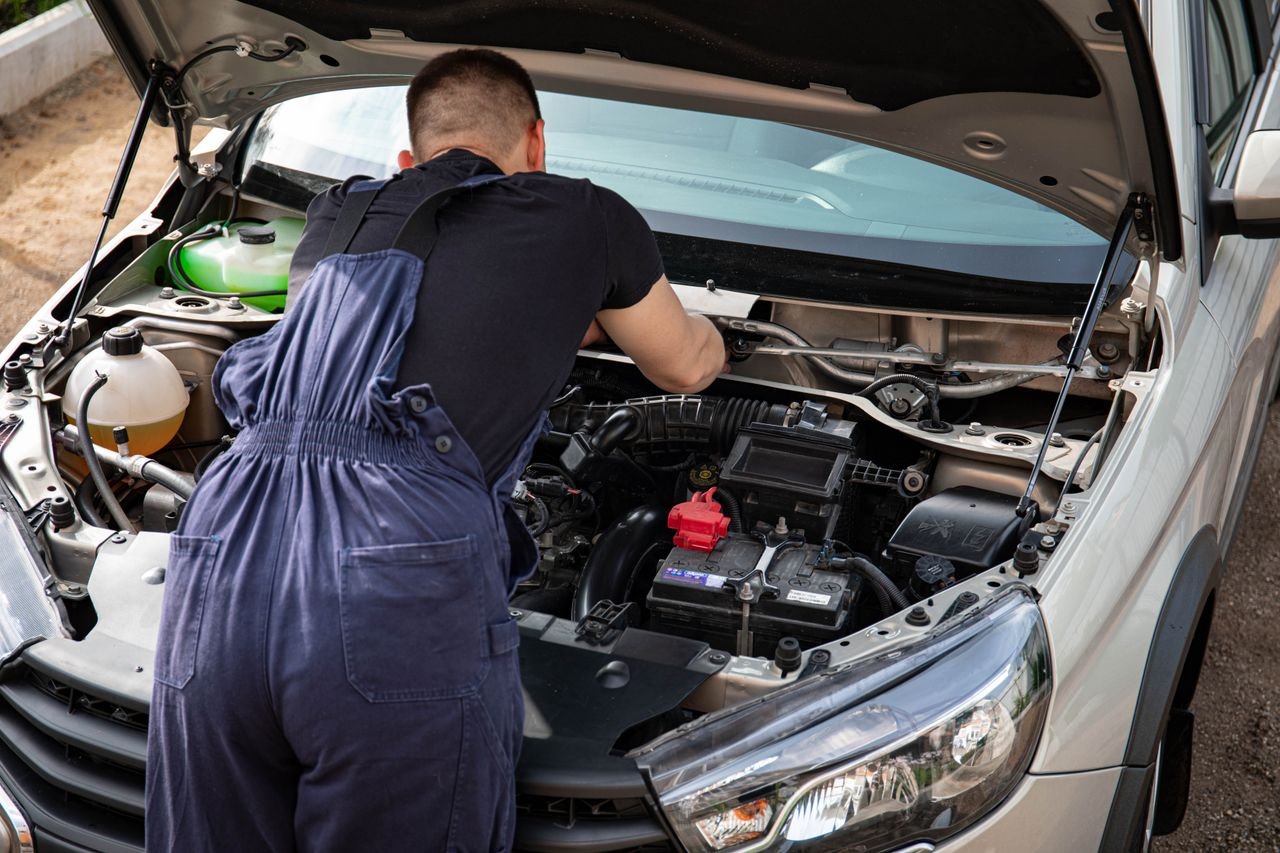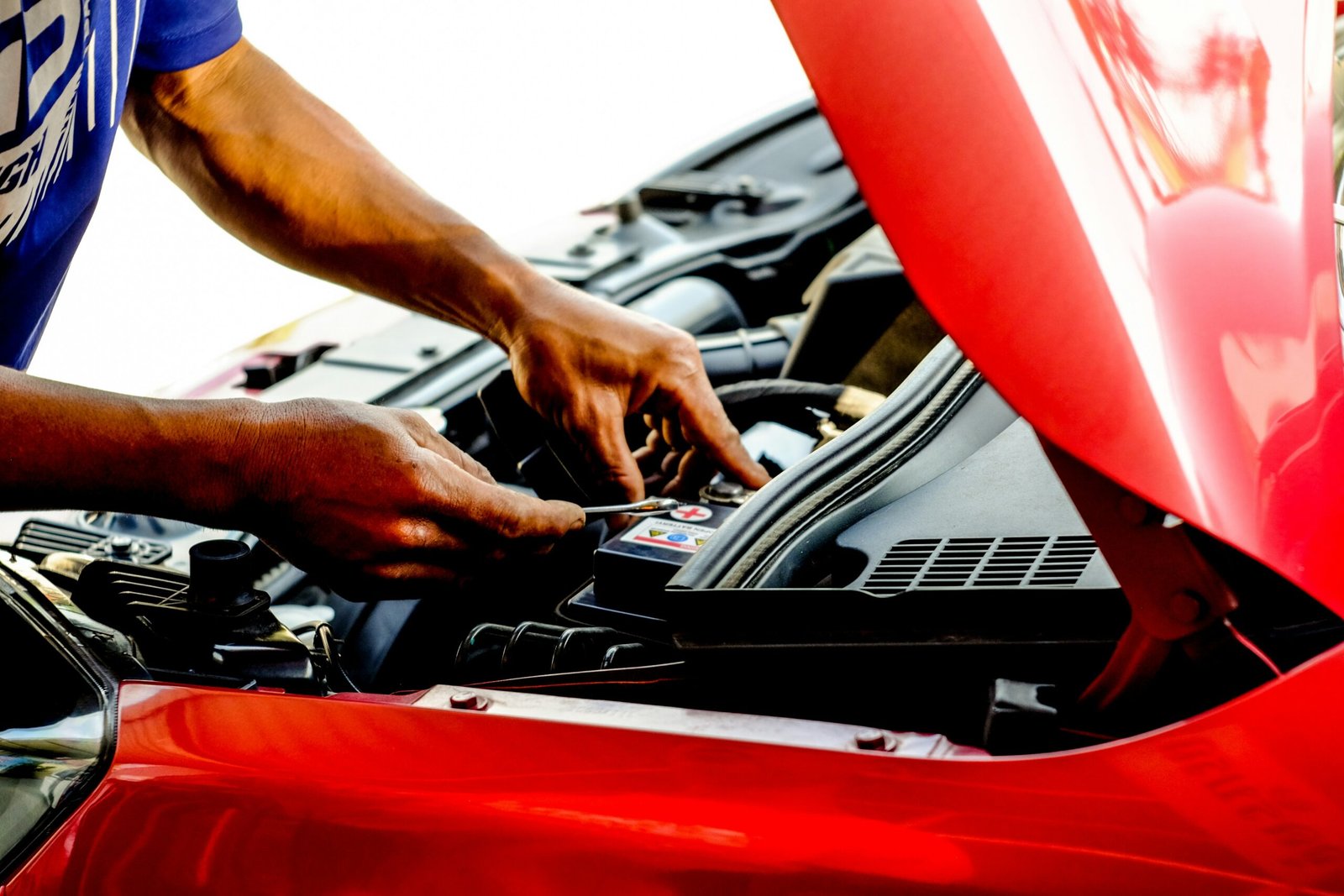
Fall car care starts with a simple review: check your maintenance records, plan for seasonal tires, confirm the correct tire pressure for your vehicle, make sure you can see clearly, and note any new starting or braking concerns. You do not need to diagnose a problem yourself. The goal is to notice what has changed and give your mechanic useful information.
1. Review your maintenance records
Start with your owner’s manual and your most recent service records. Look for the last oil and filter service, tire rotation, brake inspection, battery check and other maintenance listed for your vehicle.
There is no single maintenance interval that suits every vehicle. The correct schedule depends on the manufacturer’s recommendations, the vehicle and how it is used. If your records are incomplete, write down what you do know and ask the shop what information would help establish an appropriate next step.
2. Plan seasonal tire service before winter weather arrives
Do not wait for the first storm to begin the conversation about winter tires. Before contacting a shop, note your vehicle’s year, make and model, your tire size, the condition of the tires and whether your winter tires are already mounted on separate wheels.
Transport Canada recommends looking for the three-peak mountain snowflake symbol when choosing winter tires. It also advises installing winter tires on all wheel positions. Tire selection and service still need to match your vehicle and driving needs, so consult your owner’s manual or a tire professional rather than relying on a universal date or rule.
Look over the tread and sidewalls for visible damage or unusual wear. A photograph can help you describe what you noticed, but it cannot establish the cause or confirm that a tire is suitable for continued use. If you are concerned about a tire’s condition, arrange a professional assessment.
3. Use the vehicle’s recommended tire pressure
The pressure printed on a tire’s sidewall is generally the pressure associated with the tire’s maximum load—not necessarily the pressure recommended for your vehicle.
Transport Canada advises using the vehicle’s tire-information label, which is commonly found near the driver’s door or door frame. The same information should also appear in the owner’s manual. Check pressure when the tires are cold and use the value specified for your vehicle. Avoid copying a pressure number from another car or from a general online post.
4. Check visibility equipment
Shorter days, rain and changing temperatures make visibility especially important. Check that exterior lights operate, the windshield is clear, the washer system works and the wiper blades do not leave distracting streaks.
Transport Canada’s winter-preparation guidance includes checking lights, wipers, the defroster and suitable washer fluid. Your vehicle may have additional manufacturer instructions, so use the owner’s manual as the primary reference.
5. Pay attention to new starting or braking symptoms
Cold weather can make an existing starting concern more noticeable. If the engine turns slowly, you hear clicking, or the vehicle sometimes does not respond, record what happens and how often. A starting problem is not automatically a failed battery; appropriate testing may need to consider more than one part of the starting and charging system.
For braking concerns, note whether a noise happens only at first start, during every stop or under particular conditions. Also mention any change in pedal feel, pulling or braking response. Noise alone cannot identify the repair required.
If braking, steering or vehicle control feels unsafe, stop driving and arrange professional assistance. An online checklist cannot determine whether a specific vehicle is safe to drive.
6. Prepare for a useful shop conversation
Before calling or submitting an inquiry, have these details ready:
- vehicle year, make and model;
- the symptom or maintenance question;
- when the symptom happens and how often;
- warning lights or messages;
- recent repairs, maintenance or other changes; and
- any relevant service records.
Clear notes help the shop understand your concern, but an inquiry is not a confirmed appointment until the shop confirms it.
Plan your next fall maintenance step
You do not need to complete every item at once. Start with your vehicle’s records, seasonal tire needs and any new symptoms that deserve attention.
S.P.D. Auto Repair provides mechanical repair and maintenance services in Oshawa, including brakes, diagnostics and tire service. Review our auto repair services or contact S.P.D. Auto Repair with your vehicle details and concern so the team can discuss the next step and current availability.
Sources
- Transport Canada, Preparing your vehicle for winter
- Transport Canada, Riding On Air: tire maintenance and recommended pressure